

7 Types of Wall Cladding for Healthcare Facilities
Updated: Jan 30
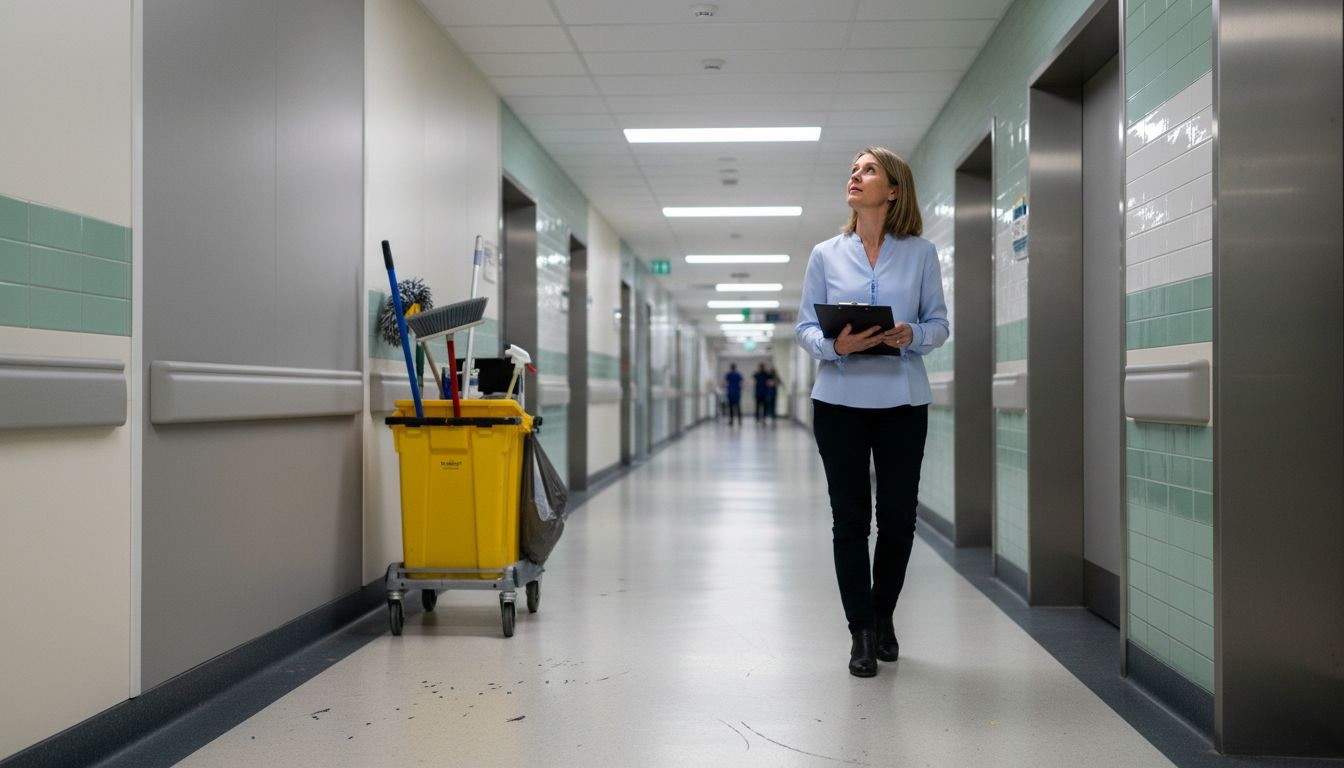
Choosing the right wall cladding for hospitals and clinics is never just about appearances. Infection risks, cleaning demands, and the need for tough, long-lasting materials create daily challenges for healthcare managers. One poor choice can lead to increased maintenance and potential threats to patient safety.
If you need practical ways to protect your healthcare spaces, you are in the right place. This list will help you discover options that support strict hygiene standards, simplify cleaning, and deliver long-term reliability. Get ready to learn the smart features, expert tips, and standout benefits of materials designed to meet the real needs of modern healthcare environments.
Table of Contents
1. Pvc Wall Cladding For Hygiene And Easy Cleaning
2. Ceramic Tiles For Moisture Resistance And Longevity
3. Stainless Steel Panels For Sterile Environments
4. Laminate Sheets For Cost-Effective Protection
5. Glass Wall Cladding For Bright, Easy-Maintenance Spaces
6. Composite Cladding For Enhanced Durability
7. Antimicrobial Coatings For Added Protection
Quick Summary
Key Message | Explanation |
1. Select Hygienic Materials | Use PVC cladding or ceramic tiles to prevent bacterial colonisation and enhance cleaning efficiency in healthcare facilities. |
2. Invest in Stainless Steel | Stainless steel panels offer durability and are designed for easy sanitisation, making them ideal for high-risk medical environments. |
3. Consider Composite Cladding | Composite materials with antimicrobial properties provide impact resistance and hygienic surfaces, suitable for various clinical settings. |
4. Use Antimicrobial Coatings | Incorporate antimicrobial coatings for continuous protection against pathogens, reducing infection risks in medical areas. |
5. Embrace Glass Wall Cladding | Glass wall systems enhance lighting and visibility while maintaining hygiene, benefitting both patient care and staff monitoring. |
1. PVC Wall Cladding for Hygiene and Easy Cleaning
Healthcare facilities require wall surfaces that can withstand intense cleaning protocols while maintaining a sterile environment. Hygienic PVC wall cladding provides an exceptional solution for medical environments where cleanliness is paramount.
Unlike traditional wall materials, PVC wall cladding creates a seamless, non porous surface that actively prevents bacterial colonisation. Its smooth finish resists moisture penetration and chemical contamination, making it substantially easier to sanitise compared to porous surfaces like painted drywall or tiles. Hospitals and clinics can dramatically reduce hospital acquired infection risks by selecting materials that inherently support rigorous hygiene standards.
The versatility of PVC wall cladding allows healthcare administrators to select from multiple colours and finishes without compromising clinical cleanliness requirements. Smooth panels can be quickly wiped down using standard disinfectant solutions, enabling rapid turnaround between patient treatments and minimising cross contamination risks.
Installation involves creating a tight sealed surface with minimal joints where bacteria might accumulate. Professional healthcare facility managers appreciate how these wall panels can be rapidly installed with minimal disruption to ongoing medical operations.
Expert Tip: Select PVC wall cladding panels with antimicrobial additives for enhanced infection control in high traffic medical zones.
2. Ceramic Tiles for Moisture Resistance and Longevity
Healthcare environments demand wall surfaces that combine durability with exceptional hygiene capabilities. Ceramic tiles offer a robust solution for medical facilities seeking reliable wall coverings that withstand rigorous cleaning protocols.
Porcelain stoneware tiles represent a superior subspecies of ceramic materials, providing remarkable performance in challenging healthcare settings. Their impressive characteristics include ultra low water absorption rates, outstanding chemical resistance, and excellent slip resistant properties. These technical attributes make ceramic tiles particularly suited for areas requiring stringent infection control standards.
Unlike porous wall materials, ceramic tiles create smooth non absorbent surfaces that actively discourage bacterial growth. Their sealed finish prevents moisture penetration and enables rapid sanitisation using standard hospital disinfectant solutions. Medical administrators can select from neutral colour palettes that support calming visual environments while maintaining critical hygiene standards.
Ceramic tiles work particularly well in staff rooms, corridors, and lower traffic medical zones where moderate durability meets aesthetic and functional requirements. Installation requires precise grouting techniques to minimise potential bacterial accumulation points and ensure a seamless protective surface.
Expert Tip: Select porcelain tiles with minimal grout lines and antimicrobial glazing to maximise infection control effectiveness in healthcare spaces.
3. Stainless Steel Panels for Sterile Environments
Healthcare facilities demand wall surfaces that transcend mere aesthetic requirements and actively contribute to patient safety. Stainless steel panels represent the pinnacle of engineering designed for critical medical environments where infection control is paramount.
These sophisticated wall panels are meticulously engineered to withstand the most demanding clinical settings. Their antibacterial surface treatments and precision engineering create impenetrable barriers against microbiological contamination. Unlike traditional wall materials, stainless steel panels offer remarkable resistance to corrosive cleaning agents, enabling medical staff to maintain rigorous sanitisation protocols without compromising structural integrity.
Modular design allows healthcare administrators to configure wall systems that adapt seamlessly to evolving medical space requirements. The tight sealed construction eliminates potential bacterial reservoirs, with smooth surfaces that prevent microbial colonisation. Pressure resistant properties ensure these panels can endure intense cleaning regimens and frequent disinfection processes typical in operating theatres and high risk medical zones.
Stainless steel wall panels represent more than a surface covering they are an active component in comprehensive infection prevention strategies. Their durability means reduced maintenance costs and extended lifecycle compared to conventional wall materials, making them a strategic investment for forward thinking medical facilities.
Expert Tip: Select stainless steel panels with electrolytically polished surfaces to maximise bacterial resistance and simplify cleaning protocols.
4. Laminate Sheets for Cost-Effective Protection
Healthcare facilities require wall coverings that balance practical performance with financial considerations. Laminate sheets offer an intelligent solution for medical environments seeking durable and affordable wall protection.
These specialised sheets provide remarkable versatility across hospital settings from high traffic corridors to sensitive clinical zones. Their engineered surfaces resist moisture penetration chemical exposure and bacterial colonisation more effectively than traditional wall materials. The large sheet sizes minimise potential infection reservoirs by reducing joint and seam opportunities where microorganisms might accumulate.
Cost effectiveness extends beyond initial installation. Laminate sheets withstand repeated sanitisation using harsh disinfectant chemicals without degrading surface integrity. Their smooth non porous finish enables rapid cleaning protocols essential in medical environments where hygiene represents a critical operational requirement. Healthcare administrators can select from diverse design options that support both functional and aesthetic objectives.
Unlike more expensive wall cladding alternatives laminates provide a pragmatic solution for facilities managing tight budgetary constraints. Their sustainability credentials and long term durability make them an intelligent investment for medical infrastructure projects requiring robust wall protection.
Expert Tip: Select medical grade laminates with antimicrobial additives to enhance infection control capabilities without significantly increasing overall project costs.
5. Glass Wall Cladding for Bright, Easy-Maintenance Spaces
Modern healthcare environments demand wall solutions that transcend traditional design limitations. Glass wall cladding systems represent an innovative approach to creating functional transparent spaces that support patient care and staff supervision.
Tempered and laminated glass panels offer remarkable advantages for medical facilities. Their non porous surfaces resist bacterial accumulation and enable rapid sanitisation protocols. Integrated antibacterial treatments provide an additional layer of infection control while maintaining visual transparency that allows medical staff to monitor patient areas without physical intrusion.
Unlike traditional opaque wall materials glass wall cladding enhances natural lighting environments. By allowing substantial daylight penetration these systems reduce reliance on artificial illumination potentially contributing to improved patient psychological wellbeing and staff productivity. Switchable privacy options ensure patient confidentiality can be maintained when required while preserving the fundamental benefits of visual openness.
Advanced glass wall technologies incorporate features like integrated LED lighting colour customisation and seamless modular design. These sophisticated systems support healthcare facilities in creating environments that balance clinical functionality with aesthetic sophistication. Prefabricated panels ensure rapid installation with minimal disruption to ongoing medical operations.
Expert Tip: Select glass wall systems with antimicrobial coatings and consider integrated privacy technologies to maximise both hygiene and patient comfort.
6. Composite Cladding for Enhanced Durability
Healthcare facilities require wall materials that offer exceptional performance beyond traditional solutions. Composite wall cladding materials represent a cutting edge approach to creating robust hygienic environments.
Fibre reinforced plastics (FRP) provide extraordinary benefits for medical infrastructure. These advanced composite materials integrate sophisticated technologies like antibacterial nanosilver coatings that eliminate over 99.9% of potential bacterial contamination. Unlike conventional wall surfaces these composites create impenetrable barriers against microbial proliferation while maintaining lightweight structural integrity.
The remarkable engineering of composite wall cladding enables healthcare administrators to invest in surfaces that combine multiple critical performance characteristics. Impact resistance ensures durability in high traffic areas while smooth non porous finishes support rapid cleaning and sanitisation protocols. Medical facilities can select from various composite formulations tailored to specific environmental requirements such as operating rooms intensive care units and laboratory spaces.
Beyond their technical capabilities composite wall claddings offer design flexibility. Manufacturers can produce panels in diverse colours and textures allowing healthcare environments to balance strict clinical requirements with aesthetic considerations. The material properties support long term performance reducing maintenance and replacement costs compared to traditional wall covering solutions.
Expert Tip: Select composite wall cladding with integrated antimicrobial technologies and verify manufacturer specifications for bacterial elimination rates and durability standards.
7. Antimicrobial Coatings for Added Protection
Healthcare environments demand sophisticated solutions to prevent pathogen transmission and maintain rigorous hygiene standards. Antimicrobial coatings provide continuous protection against microbial contamination through advanced surface technologies.
These innovative coatings work by disrupting microbial cellular processes and creating an inhospitable environment for bacterial proliferation. Unlike traditional cleaning methods that offer temporary sanitisation antimicrobial treatments provide ongoing protection by actively inhibiting bacteria fungi and viruses on surface interfaces. Their molecular structure prevents microorganisms from reproducing and spreading across critical healthcare zones.
Applications extend across multiple medical infrastructure elements including wall surfaces medical equipment furniture and high contact areas. Healthcare administrators can select from various coating technologies that complement existing cleaning protocols and reduce hospital acquired infection risks. The technologies integrate seamlessly with different surface materials offering flexible implementation strategies for diverse medical environments.
Modern antimicrobial coatings demonstrate remarkable durability withstanding repeated disinfection procedures and maintaining protective capabilities over extended periods. Their sustainability and effectiveness make them an intelligent investment for medical facilities seeking comprehensive infection control strategies.
Expert Tip: Select antimicrobial coatings with documented efficacy rates and compatibility with your specific surface materials and cleaning protocols.
Below is a comprehensive table summarising the main aspects of wall cladding options discussed throughout the article, with details on materials and their respective benefits in healthcare settings.
Material | Characteristics | Benefits | Expert Tip |
PVC Wall Cladding | Non-porous, seamless finish; multiple colour options available. | Prevents bacterial colonisation; easily cleaned; versatile for different areas. | Use panels with antimicrobial additives for advanced infection control. |
Ceramic Tiles | Durable with smooth sealed surfaces; available in neutral colours. | Resists moisture and chemicals; supports hygienic requirements; suited for moderate-traffic zones. | Choose tiles with antimicrobial glazing and minimal grout lines. |
Stainless Steel | Highly resistant to corrosion and damage; engineered for sterile environments. | Maximises infection prevention; long-lasting and robust; suitable for critical care zones. | Opt for panels with polished surfaces to enhance bacterial resistance. |
Laminate Sheets | Large, smooth, and cost-efficient; available in various designs. | Easy to clean; durable against repeated disinfection; budget-friendly solution. | Prefer medical-grade laminates with antimicrobial properties for extra effectiveness. |
Glass Wall Cladding | Tempered and laminated glass with non-porous, antibacterial surfaces. | Supports daylight penetration; enables rapid sanitation; balances aesthetics and functionality. | Implement systems with integrated privacy technologies for maximum flexibility. |
Composite Panels | Made of advanced fibre-reinforced plastics with antibacterial finishes. | Combines durability with ease of cleaning; customisable for specific clinical needs; reduced maintenance. | Ensure specifications meet bacterial eradication rates. |
Antimicrobial Coats | Coatings for diverse surfaces; inhibits microbial reproduction. | Provides continuous protection; withstands repeated cleaning; complements regular sanitation efforts. | Select technologies compatible with existing materials and cleaning practices. |
Discover Hygienic PVC Wall Cladding Tailored for Healthcare Facilities
Healthcare environments demand wall surfaces that combine durability, hygiene, and ease of maintenance while resisting bacteria and moisture. The article emphasises the importance of seamless, antimicrobial wall cladding to reduce infection risks and support rigorous cleaning protocols. If you are looking to meet these challenges with reliable, cost-effective solutions, our range of PVC wall cladding products offers precisely that. With options engineered specifically for healthcare settings, you can benefit from moisture resistance, effortless sanitation, and a variety of finishes that maintain clinical cleanliness without compromising on aesthetics.
Take control of your facility’s hygiene standards today. Explore our comprehensive selection of hygienic PVC panels and accessories at Hygienic Sheets and enjoy fast nationwide delivery across the UK. Whether managing a small refurbishment or a large-scale medical project, our certified, durable products ensure your walls provide a seamless barrier against contamination. Start enhancing your healthcare environment now by visiting our online store and choosing the perfect wall cladding solution.
Frequently Asked Questions
What are the benefits of using PVC wall cladding in healthcare facilities?
Hygienic PVC wall cladding provides a seamless, non-porous surface that actively prevents bacterial colonisation and is easier to clean than traditional materials. To maximise hygiene, ensure you choose PVC wall cladding with antimicrobial additives for high-traffic medical areas.
How do ceramic tiles contribute to infection control in medical settings?
Ceramic tiles, particularly porcelain stoneware, create non-absorbent surfaces that discourage bacterial growth and resist moisture. For effective infection control, select tiles with minimal grout lines and antimicrobial glazing to enhance sanitisation efforts.
What factors should be considered when choosing stainless steel panels for healthcare environments?
Stainless steel panels are ideal for sterile environments due to their antibacterial surface treatments and resistance to corrosive cleaning agents. When selecting these panels, prioritise those with electrolytically polished surfaces for superior bacterial resistance and ease of cleaning.
How can laminate sheets provide cost-effective wall protection in medical facilities?
Laminate sheets offer durable and moisture-resistant protection while minimizing infection reservoirs due to their large sheet sizes. For enhanced infection control, opt for medical-grade laminates with antimicrobial additives to improve hygiene without inflating project costs.
What advantages do glass wall cladding systems offer in healthcare settings?
Glass wall cladding systems enhance natural lighting and maintain a sterile environment, making them beneficial for both patient care and staff supervision. When considering installation, choose panels with antimicrobial coatings for added protection against microbial contamination.
How do composite wall cladding materials enhance durability in healthcare environments?
Composite wall cladding materials, especially those made from fibre reinforced plastics, provide extraordinary impact resistance while preventing bacterial proliferation. To optimise their benefits, select composites with integrated antimicrobial technologies for superior infection control.
Recommended


This article provides complete information about the Samagra Portal and its services. Highly appreciated.