

Benefits of PVC Wall Cladding for Hygiene-Sensitive Settings

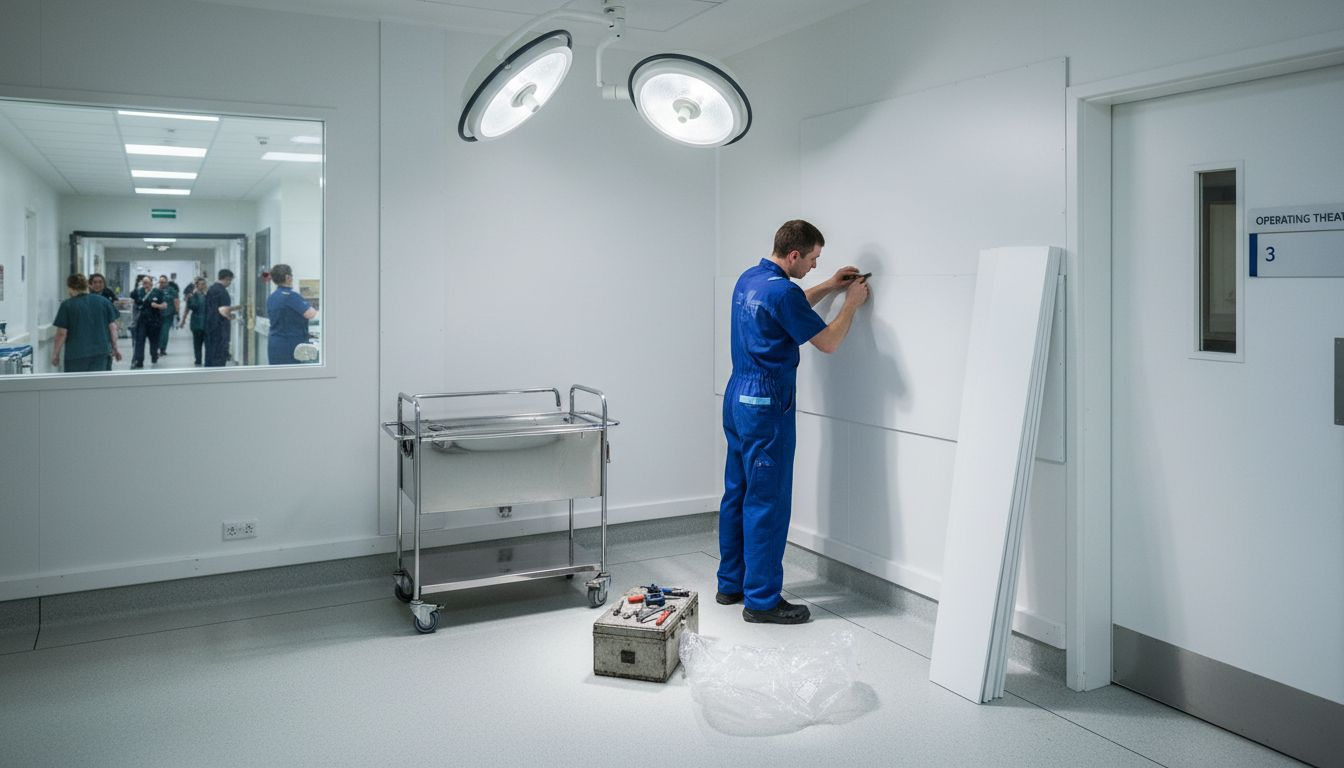
Keeping walls spotless in United Kingdom healthcare and commercial kitchen settings often feels like a constant battle against moisture, bacteria, and daily wear. When hygiene and longevity are non-negotiable, facility managers need more than just a surface that looks clean. PVC wall cladding delivers robust protection, exceptional moisture resistance, and easy cleaning capabilities, making it an ideal choice for environments where cleanliness and durability are paramount. Explore how these advanced panels offer real-world advantages beyond traditional wall materials.
Table of Contents
Key Takeaways
Point | Details |
Durability and Hygiene | PVC wall cladding is engineered for exceptional durability and hygiene, making it ideal for healthcare and food preparation environments. |
Compliance Standards | It is essential for PVC wall cladding to meet stringent regulatory compliance requirements to ensure safety and operational integrity. |
Cost-Effectiveness | Although initial installation costs may be similar to traditional materials, PVC wall cladding offers significant long-term savings due to lower maintenance and replacement needs. |
Installation Efficiency | The installation of PVC wall cladding is quick and straightforward, reducing disruption to operational activities and overall labour expenses. |
PVC wall cladding: definition and misconceptions
Polyvinyl chloride (PVC) wall cladding represents a sophisticated engineering solution designed to provide hygienic, durable surface protection for commercial and healthcare environments. Synthetic plastic polymers form the fundamental structure of these innovative wall panels, offering remarkable performance characteristics that extend far beyond traditional building materials.
At its core, wall cladding serves as an additional protective layer applied directly to existing walls, delivering multiple functional benefits. Unlike common misconceptions, PVC wall cladding is not merely a decorative element but a sophisticated engineering solution that provides critical protection against moisture, bacterial contamination, and environmental degradation.
Key characteristics of PVC wall cladding include:
Exceptional moisture resistance
High durability and longevity
Simple maintenance and cleaning processes
Seamless installation capabilities
Resistance to bacterial growth
Thermal insulation properties
A prevalent misconception suggests that cladding materials are purely aesthetic), overlooking their substantial structural and protective roles. In reality, PVC wall cladding acts as a critical barrier, safeguarding underlying wall structures from potential damage while simultaneously maintaining stringent hygiene standards.
Pro tip: When selecting PVC wall cladding, prioritise materials certified for healthcare and food preparation environments to ensure maximum performance and regulatory compliance.
Types and finishes of PVC wall cladding
PVC wall cladding offers an extensive range of types and finishes, designed to meet diverse architectural and functional requirements in hygiene-sensitive environments. Specialist manufacturers produce panels with sophisticated design options that balance aesthetic appeal and robust performance standards.
The primary categories of PVC wall cladding include:
Smooth panels: Sleek, minimalist design ideal for modern healthcare and commercial spaces
Woodgrain textured panels: Provide warmth and visual interest while maintaining hygienic properties
Embossed panels: Enhanced surface texture for improved grip and visual complexity
Ribbed panels: Designed for increased structural rigidity and surface performance
Each finish serves specific functional purposes beyond mere visual appeal. PVC cladding panels are engineered with multi-layered compositions that enhance durability, moisture resistance, and cleaning efficiency. Professional-grade panels typically feature advanced manufacturing techniques that incorporate sanitary coatings and impact-resistant materials.
Colour variations play a crucial role in these wall cladding solutions, allowing facility managers to create cohesive design environments while maintaining stringent hygiene standards. Neutral tones, clinical whites, and subtle greys remain particularly popular in healthcare and food preparation settings, offering both aesthetic neutrality and visual cleanliness.
Pro tip: Select PVC wall cladding panels with seamless joining capabilities to minimise bacterial accumulation points and simplify long-term maintenance procedures.
Core hygiene features and durability explained
PVC wall cladding panels represent a pinnacle of hygienic engineering, specifically designed to meet the most stringent cleanliness requirements in sensitive environments like healthcare, food preparation, and industrial settings. Their advanced material composition ensures exceptional performance under challenging conditions.
Key hygiene features of professional-grade PVC wall cladding include:
Antibacterial certification: Prevents microbial growth and cross-contamination
Food-grade material standards: Compliant with strict regulatory requirements
Chemical resistance: Withstands exposure to acids, greases, and cleaning agents
Moisture barrier: Prevents water penetration and potential bacterial colonisation
Seamless surface design: Minimises potential harbourage points for pathogens
The durability of these panels is equally impressive, engineered to withstand aggressive cleaning protocols and high-impact environments. Professional-grade PVC wall cladding can endure repeated sanitisation procedures, maintaining structural integrity and hygienic performance over extended periods. This resilience makes them an ideal solution for areas requiring consistent cleanliness and minimal maintenance.
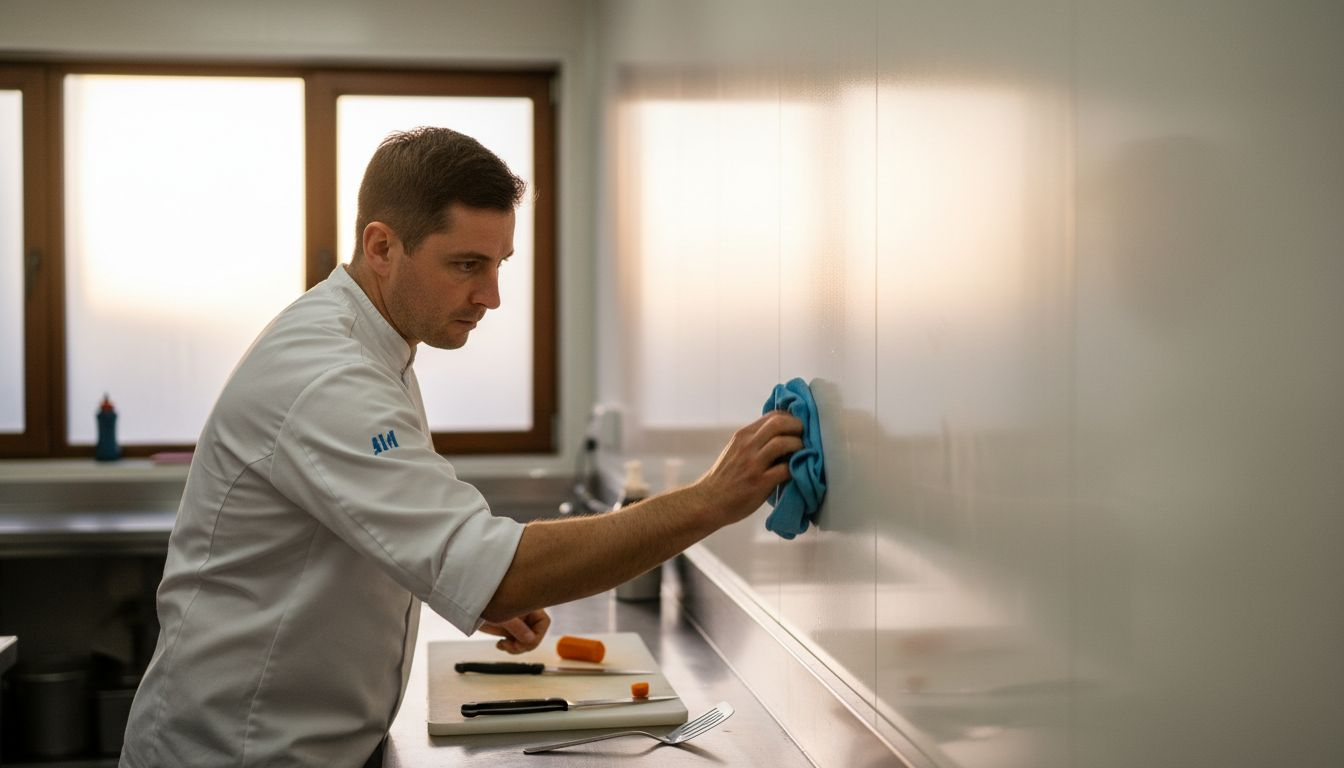
Environmental adaptability is another critical aspect of these advanced wall cladding systems. Whether installed in poorly ventilated areas, refrigerated spaces, or high-humidity environments, these panels maintain their protective qualities, preventing mould growth and ensuring long-term surface hygiene.
Pro tip: Always select PVC wall cladding with full antibacterial certification and verify its compatibility with your specific cleaning and sterilisation protocols.
Regulatory compliance in healthcare and food sectors
Hygienic wall cladding systems represent a critical interface between material engineering and stringent regulatory requirements in sensitive industrial environments. These specialised surfaces must satisfy complex compliance standards that protect public health and ensure operational safety.
Key regulatory compliance requirements for PVC wall cladding include:
Surface integrity: Completely smooth, non-porous surfaces
Chemical resistance: Ability to withstand intensive cleaning protocols
Contamination prevention: Minimal bacterial harbourage potential
Material traceability: Full documentation of manufacturing processes
Impact resistance: Durability under mechanical stress
In food processing environments, regulatory bodies like the European Food Safety Authority mandate exceptionally strict surface standards. PVC wall cladding must demonstrate complete resistance to moisture, mechanical impacts, and cleaning chemicals while maintaining structural integrity. These panels provide a critical barrier against potential contamination, ensuring that production environments meet the most rigorous hygiene protocols.
Healthcare settings impose equally demanding compliance requirements, with regulations focusing on infection control, surface sterilisability, and long-term durability. PVC wall cladding must pass extensive testing protocols that evaluate bacterial resistance, ease of sanitisation, and performance under repeated cleaning cycles. These stringent assessments ensure that wall surfaces contribute proactively to maintaining sterile clinical environments.
Pro tip: Always request comprehensive compliance certification documentation when selecting PVC wall cladding for regulated environments, verifying specific test results against your sector’s precise standards.
Here is a summary of regulatory focus areas for PVC wall cladding in clinical and food environments:
Compliance Area | Healthcare Sector | Food Processing Sector |
Bacterial Resistance | Essential for infection control | Prevents cross-contamination |
Surface Sterilisability | Required for patient safety | Maintains food safety standards |
Impact Tolerance | Withstands hospital equipment | Resists machinery contact |
Documentation & Traceability | Auditable records mandatory | Full material tracking needed |
Cost, maintenance, and installation compared to alternatives
Lifecycle cost assessments reveal that PVC wall cladding offers substantial long-term economic advantages compared to traditional building materials. While initial installation costs might appear comparable, the total financial investment demonstrates significant savings over time.
Comparative cost factors include:
Initial installation expenses: Generally lower than complex alternative systems
Maintenance requirements: Minimal ongoing upkeep
Replacement frequency: Extended service life
Cleaning costs: Reduced chemical and labour expenditure
Durability: Resistance to degradation
Traditional wall covering alternatives like painted fibreboard, ceramic tiles, and metal panels require substantially more maintenance and periodic replacement. PVC wall cladding eliminates frequent repainting, reduces cleaning time, and provides a seamless surface that resists bacterial accumulation, translating into meaningful operational cost reductions for facility managers.
Installation processes further distinguish PVC wall cladding from conventional options. Unlike complex tiling or metalwork that demands specialised skills and extended fitting times, PVC panels offer rapid, straightforward mounting. Professional installers can complete large surface areas quickly, minimising disruption to operational environments and reducing overall labour expenses.
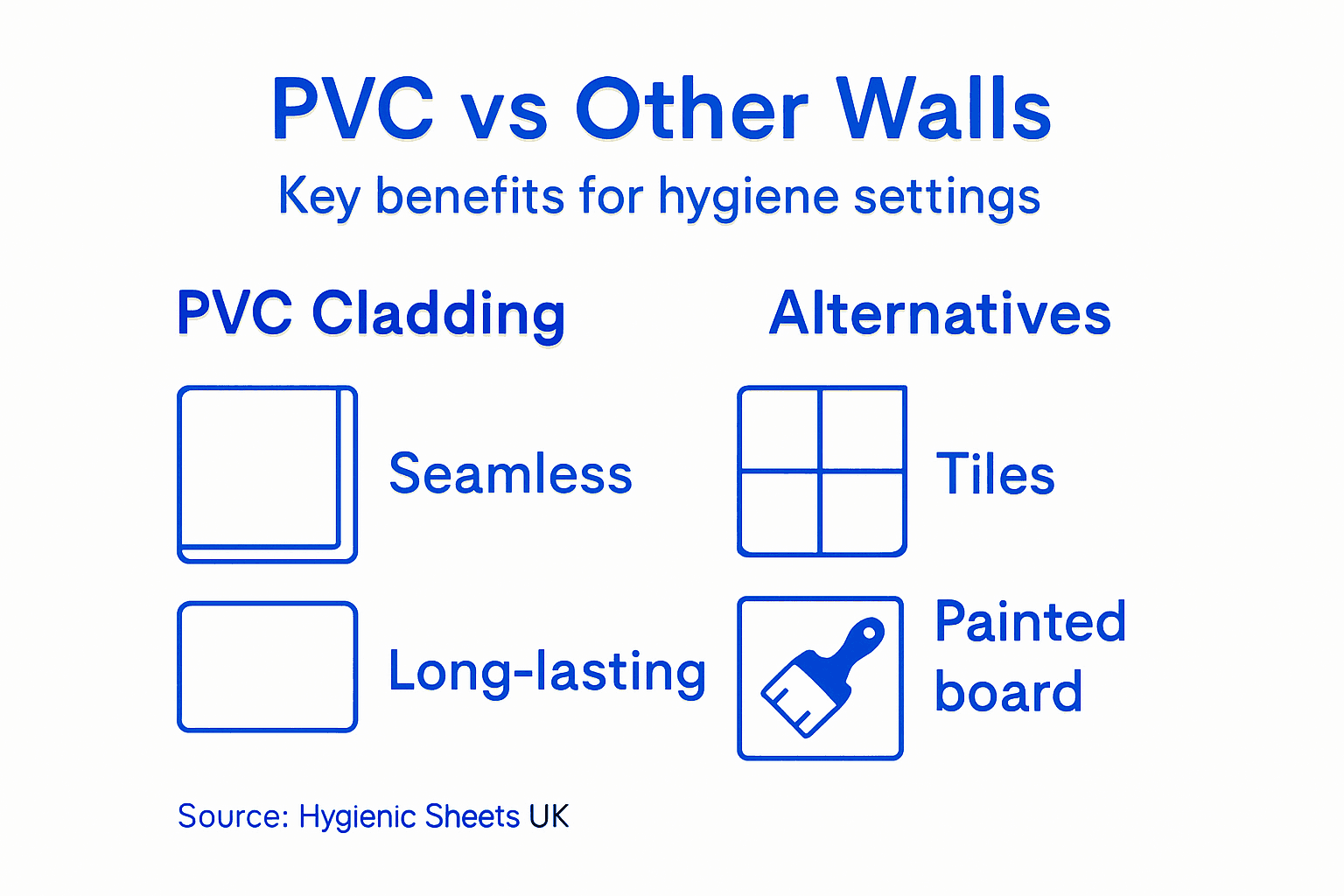
To clarify performance differences, here is a comparison of common wall covering options used in hygiene-sensitive environments:
Wall Covering | Installation Speed | Cleaning Efficiency | Typical Lifespan |
PVC Wall Cladding | Rapid, minimal disruption | Easy, seamless surface | 20-30 years |
Ceramic Tiles | Slow, requires tiling skills | Medium, grout accumulates dirt | 10-15 years |
Painted Fibreboard | Moderate, preparatory steps needed | Difficult, surface absorbs moisture | 5-10 years |
Metal Panels | Slow, specialist tools needed | Medium, may corrode | 15-25 years |
Pro tip: Request comprehensive lifecycle cost projections from suppliers, comparing not just initial expenses but long-term maintenance and replacement expenditures for different wall covering solutions.
Discover Hygienic PVC Wall Cladding Solutions Tailored to Your Needs
The article highlights crucial challenges such as maintaining strict hygiene standards, preventing bacterial growth, and ensuring durable, moisture-resistant surfaces in sensitive environments like healthcare and food preparation areas. If you are searching for reliable wall cladding that delivers exceptional durability, seamless installation, and antibacterial protection, your search ends here. With the right PVC wall cladding, you can safeguard your facilities from contamination while simplifying maintenance and complying with strict regulations.
Explore our extensive range of hygienic PVC wall cladding and related accessories at Hygienic Sheets. Benefit from products engineered to meet the highest hygiene requirements, fast nationwide delivery across the UK, and expert customer support that ensures your project runs smoothly from start to finish. Don’t settle for less when it comes to safeguarding your environment. Visit our site today and take the first step towards creating a cleaner, safer space with professional-grade wall cladding.
Elevate your hygiene standards with the industry leader in PVC cladding solutions now at Hygienic Sheets.
Frequently Asked Questions
What are the key benefits of using PVC wall cladding in hygiene-sensitive environments?
PVC wall cladding offers exceptional moisture resistance, antibacterial properties, durability, and easy maintenance, making it ideal for healthcare and food preparation settings.
How does PVC wall cladding help prevent bacterial contamination?
PVC wall cladding features a seamless surface design and antibacterial certification, which minimises potential harbourage points for pathogens and helps prevent cross-contamination.
How long does PVC wall cladding typically last compared to alternative materials?
PVC wall cladding has a lifespan of approximately 20-30 years, significantly longer than traditional options like painted fibreboard or ceramic tiles, which typically last only 5-15 years.
What are some important considerations when installing PVC wall cladding?
When installing PVC wall cladding, it’s crucial to select materials certified for healthcare and food environments and to ensure seamless joining capabilities to minimise maintenance and ensure hygiene.
Recommended


Comments