

Wall Cladding Trims: Essential for Hygiene Compliance
Updated: Feb 18
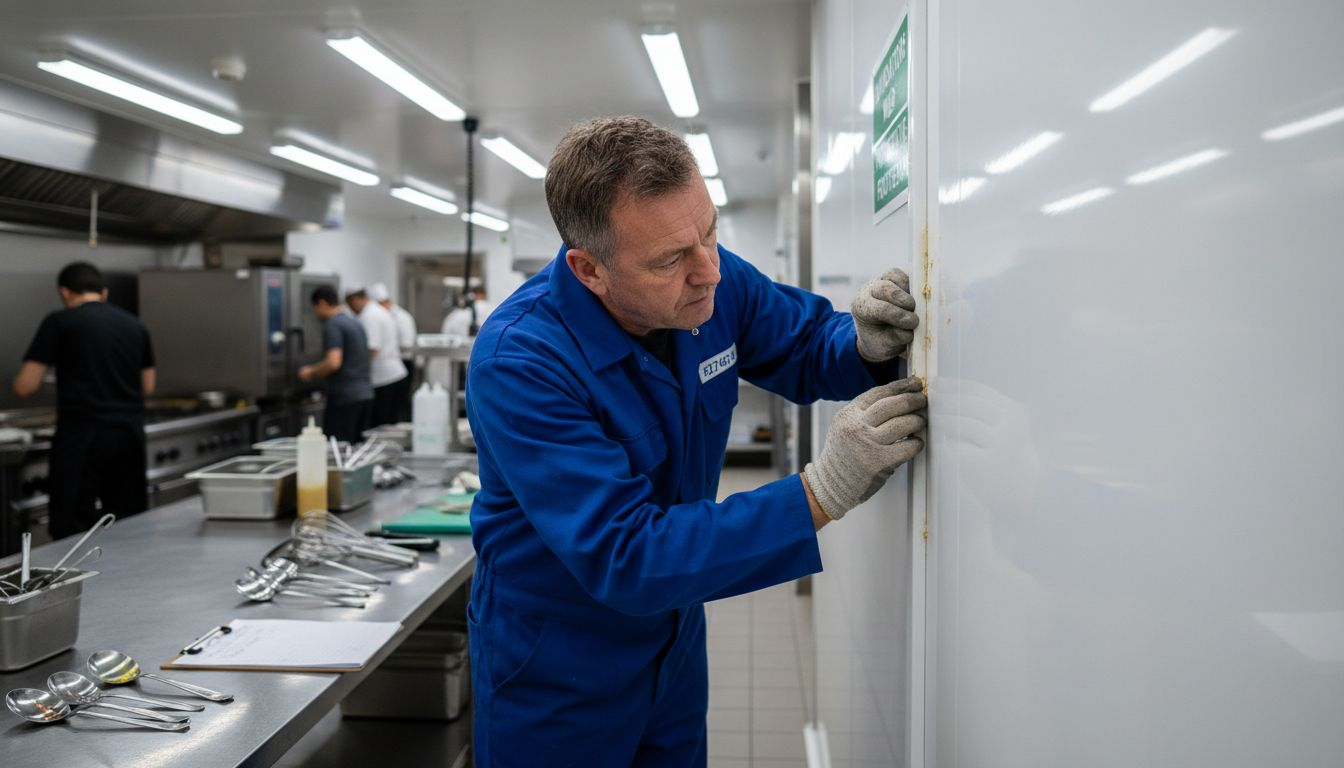
Why Wall Cladding Trims Are Essential for Hygiene Compliance
Finding reliable ways to protect hygiene standards in busy British hospitals or commercial kitchens proves challenging when wall details are overlooked. Every facility manager knows that missed gaps or poorly chosen trims can quickly become breeding grounds for bacteria or sources of costly water damage. By focusing on the true function and proper use of precision-engineered wall cladding trims, you can safeguard both the cleanliness and durability of your internal spaces while speeding up installation and long-term maintenance.
Table of Contents
Defining Wall Cladding Trims And Common Misconceptions
Types Of Trim For PVC Wall Cladding
How Trims Prevent Moisture And Enhance Hygiene
Installation Features For Efficient Project Delivery
Mistakes To Avoid With Trim Selection And Fitting
Key Takeaways
Point | Details |
Function of Wall Cladding Trims | Wall cladding trims protect edges, create moisture-resistant junctions, and prevent bacterial accumulation, ensuring hygiene compliance. |
Material Selection is Crucial | Choosing the right materials, such as stainless steel or advanced polymers, is essential for performance in hygiene-critical environments. |
Importance of Installation Precision | Accurate measurement and meticulous installation are vital to prevent gaps that could compromise hygiene standards. |
Avoid Common Mistakes | Facility managers should avoid misalignment, skipping expansion gaps, and using inappropriate adhesives to ensure long-lasting and hygienic installations. |
Defining Wall Cladding Trims and Common Misconceptions
Wall cladding trims are precision-engineered finishing elements that play a far more complex role than many facility managers initially understand. Functional wall cladding trims are not merely decorative accessories, but critical components designed to protect, seal, and enhance wall panel systems in hygiene-critical environments.
These specialised trims serve multiple essential functions beyond aesthetic appearance. Their primary purposes include:
Protecting vulnerable wall panel edges from damage
Creating seamless, moisture-resistant junctions between panels
Preventing bacterial accumulation in panel transition zones
Maintaining structural integrity of wall cladding systems
Enabling smoother cleaning and disinfection processes
Contrary to popular misconceptions, wall cladding trims are not universal or interchangeable. Each trim is engineered with specific performance characteristics tailored to particular environmental demands. Facility managers often mistakenly believe that any trim can work across different settings, which can compromise hygiene standards and long-term wall system durability.
Material composition and installation precision dramatically influence a trim’s effectiveness. Trims manufactured from non-porous, chemically resistant materials like certain polymers or stainless steel provide superior performance in healthcare, food preparation, and pharmaceutical environments.
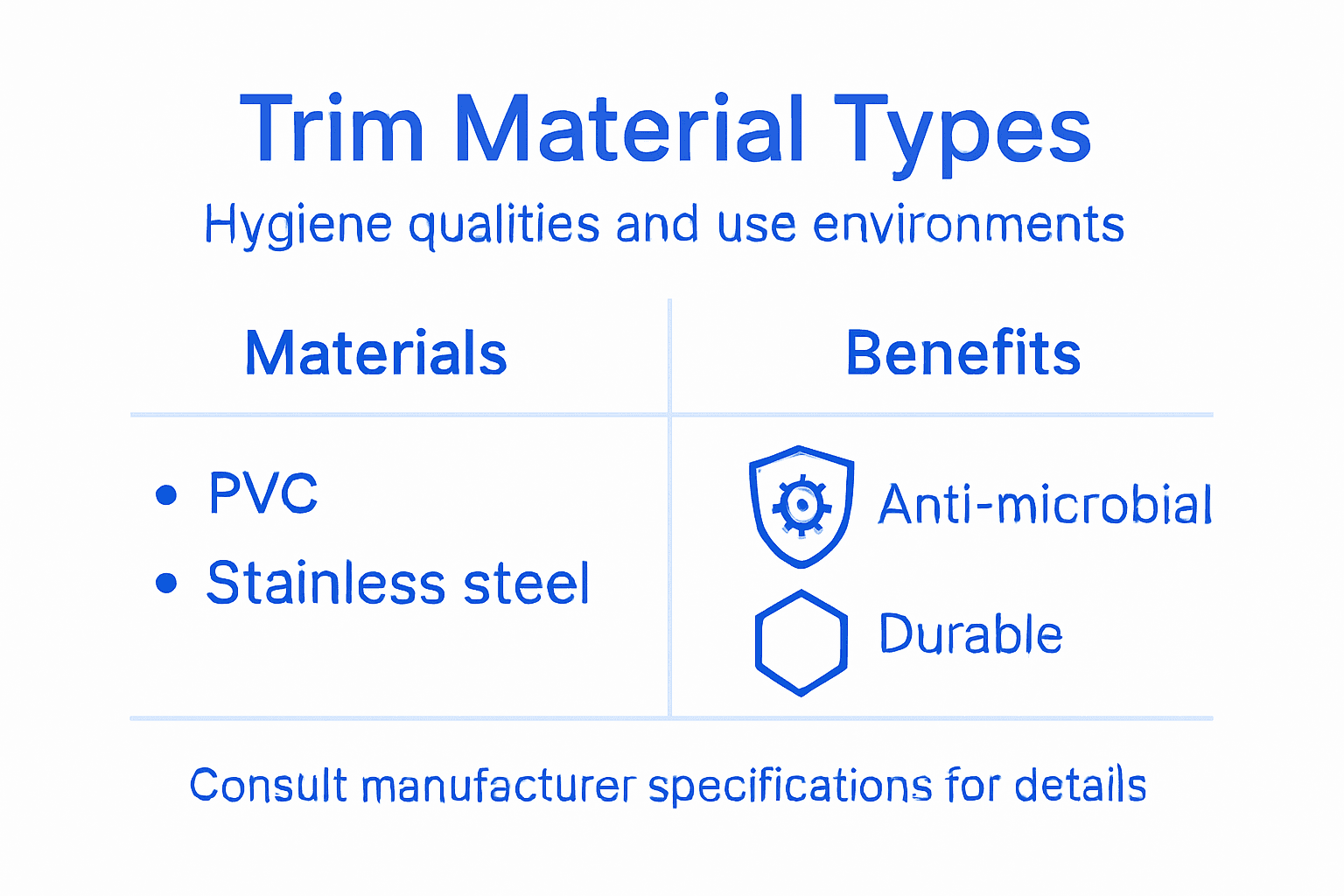
This table summarises material choices for wall cladding trims and their business impact in hygiene-critical settings:
Material | Key Benefits | Ideal Environment |
Stainless Steel | Exceptional durability, chemical resistance | Hospitals, laboratories |
Advanced Polymer | Non-porous, antimicrobial properties | Food processing plants |
Standard PVC | Cost-effective, easy to clean | Commercial kitchens |
Aluminium Alloy | Lightweight, moderate corrosion resistance | Retail spaces, offices |
Pro tip: Always consult technical specifications and conduct compatibility assessments before selecting wall cladding trims for your specific facility requirements.
Types of Trim for PVC Wall Cladding
PVC wall cladding trims are specialised components designed to provide seamless, hygienic finishing solutions for various architectural and industrial environments. Interior wall cladding trim configurations demonstrate remarkable diversity, addressing specific installation and performance requirements across different settings.
The primary types of PVC wall cladding trims include:
Joint Trims: Create smooth transitions between adjacent wall panels
Corner Trims: Available in internal and external configurations to protect panel edges
Edge Trims: Designed to seal and finish panel perimeters
Overlap Trims: Enable precise alignment and coverage between panel sections
Transition Strips: Facilitate height and material changes between different surface areas
Each trim type serves a distinct functional purpose beyond mere aesthetic enhancement. Joint trims, for instance, not only create visually appealing connections but also prevent moisture ingress and bacterial accumulation in panel intersections. Corner trims protect vulnerable panel edges from impact damage while providing a polished, professional appearance in healthcare, food service, and industrial environments.
Material selection plays a crucial role in trim performance. High-quality PVC trims must demonstrate exceptional chemical resistance, durability, and ease of cleaning to meet stringent hygiene standards in critical environments.
Selecting the appropriate trim is not just about appearance, but about creating a comprehensive hygienic barrier that protects your facility’s infrastructure.
Pro tip: Consult technical specifications and conduct thorough compatibility assessments to ensure your selected PVC wall cladding trims meet your specific environmental and regulatory requirements.
How Trims Prevent Moisture and Enhance Hygiene
Wall cladding trims are critical barriers that protect against moisture infiltration and bacterial growth in high-hygiene environments. Hygienic wall protection strategies rely on precision-engineered trim systems that create seamless, impenetrable surfaces in healthcare, food service, and industrial settings.
The moisture prevention mechanisms of wall cladding trims include:
Creating tight, sealed junctions between wall panels
Blocking potential water penetration points
Preventing capillary action and liquid migration
Reducing surface porosity and potential bacterial harbourage
Enabling rapid and thorough cleaning processes
Precision-engineered trims act as sophisticated moisture barriers by eliminating microscopic gaps where water and microorganisms could potentially accumulate. Capillary seal technology ensures that even the smallest potential entry points are completely sealed, preventing moisture migration through panel interfaces and maintaining the structural integrity of wall cladding systems.
Effective moisture prevention is not just about blocking water, but creating a comprehensive hygienic defence system that protects against biological contamination.
Antimicrobial properties of modern trims further enhance their hygienic performance. Advanced polymer compositions incorporate silver ion technologies and other antimicrobial agents that actively suppress bacterial growth, providing an additional layer of protection beyond physical moisture barriers.
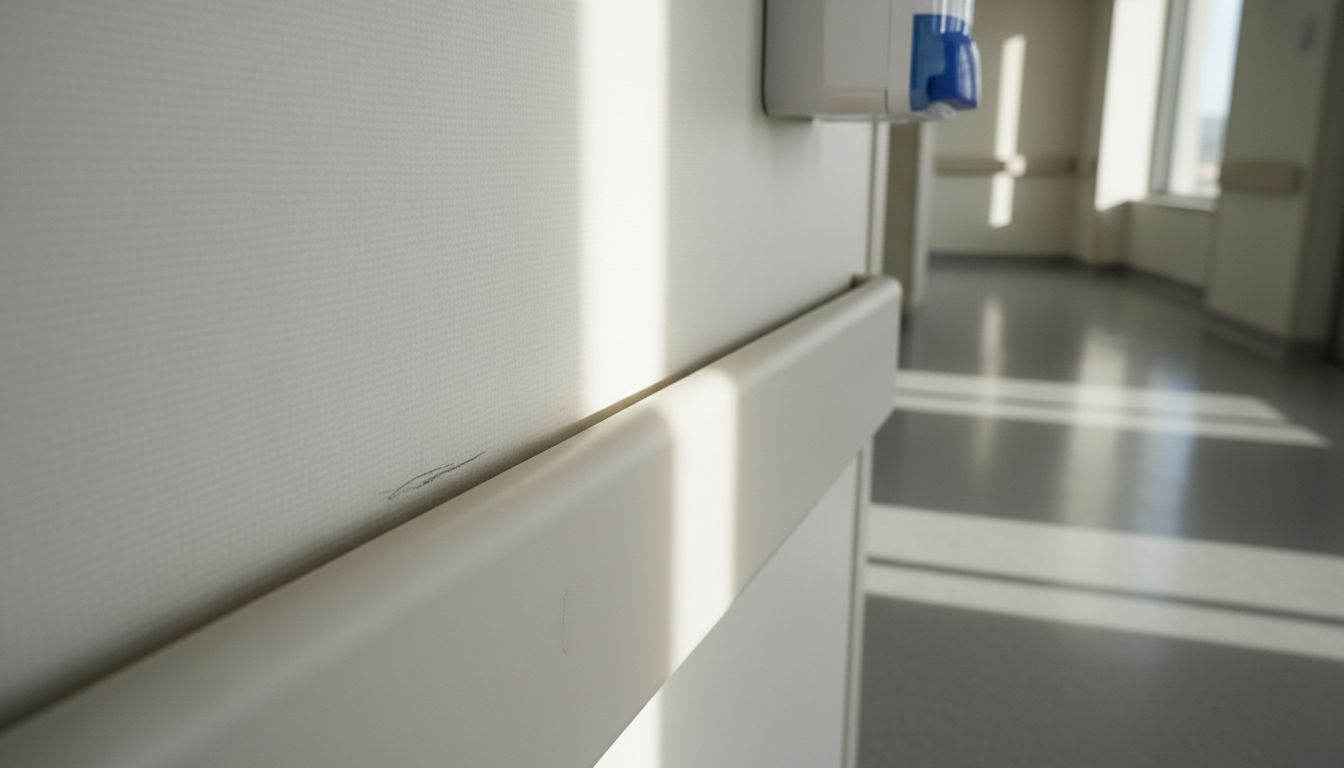
Pro tip: Regularly inspect trim junctions and seals, looking for any signs of wear, gaps, or potential moisture penetration points to maintain optimal hygiene standards.
Installation Features for Efficient Project Delivery
Successful wall cladding installation demands meticulous planning and precise execution. PVC cladding installation techniques require comprehensive preparation and strategic approach to ensure optimal performance and hygiene compliance.
Key installation preparation steps include:
Comprehensive substrate assessment
Precise wall surface cleaning and levelling
Installation of uniform timber battens
Strategic placement of moisture barriers
Accurate measurement and alignment protocols
Substrate preparation is the foundational element of efficient wall cladding projects. Professional installers must thoroughly inspect and prepare wall surfaces, addressing any irregularities through strategic blocking and shimming techniques. This process ensures a level, stable foundation that supports optimal panel placement and long-term performance.
Proper preparation transforms a potentially complex installation into a streamlined, efficient project delivery process.
Advanced installation methodologies incorporate sophisticated fastening techniques that accommodate potential structural variations. Adaptive fixing systems enable installers to create seamless, precisely aligned wall cladding configurations that maintain structural integrity and aesthetic consistency across diverse architectural environments.
Pro tip: Invest time in comprehensive surface preparation and use professional-grade measurement tools to ensure precision during wall cladding installation.
Mistakes to Avoid with Trim Selection and Fitting
Wall cladding trim selection demands precision and strategic planning to maintain hygiene standards and structural integrity. Common wall trim installation mistakes can significantly compromise the performance and longevity of hygienic wall systems.
Key mistakes facility managers and installers frequently encounter include:
Selecting incorrect trim types for specific wall locations
Neglecting critical expansion gaps
Poor measurement leading to misaligned joints
Using inappropriate adhesives
Skipping essential profile installations
Rushing the installation process
Measurement accuracy is paramount in trim selection and fitting. Even minor miscalculations can result in gaps that become potential breeding grounds for bacteria, undermining the entire hygiene strategy. Professional installers must meticulously assess wall surfaces, accounting for potential irregularities and structural variations.
Here is a comparison of typical installation errors and their consequences for wall cladding trim projects:
Mistake | Consequence | Recommended Solution |
Skipping expansion gap | Trim distortion or cracks | Measure and allow for movement |
Poor alignment | Weak structural connections | Use laser guides for accuracy |
Inadequate adhesive | Trims detach or fail | Select adhesive suited to wall material |
Rushing fitment | Gaps allow bacteria | Follow step-by-step install protocol |
Precision in trim selection is not a luxury, but a fundamental requirement for maintaining hygienic environments.
Substandard material selection represents another critical error that can compromise wall cladding performance. Moisture-resistant materials are essential, particularly in high-humidity environments like commercial kitchens, healthcare facilities, and food preparation areas. Choosing trims that cannot withstand specific environmental conditions leads to premature degradation and potential hygiene failures.
Pro tip: Always conduct a comprehensive site assessment and consult manufacturer guidelines before finalising trim selection and installation approaches.
Achieve Unmatched Hygiene Compliance with Expert Wall Cladding Trims
Maintaining rigorous hygiene standards demands more than just wall panels it requires precision-engineered trims that seal, protect and prevent moisture and bacterial ingress as highlighted in the article. Facility managers and contractors know that selecting the right trim type and material is crucial for long-lasting hygiene and structural integrity in healthcare food prep and commercial kitchen environments. Avoid common pitfalls like incorrect trim choice or poor installation with high-quality solutions designed for these exact challenges.
Explore our extensive range of hygienic PVC wall cladding trims and accessories at https://hygienicsheets.com offering superior waterproofing durability and ease of installation. Whether you require joint trims corner trims or advanced moisture-resistant profiles you will find products crafted to uphold hygiene standards. Start enhancing your facility’s protection today by visiting our website and benefit from fast nationwide delivery competitive pricing and expert customer support. Discover detailed product options and installation guidance now at hygienic wall cladding solutions and ensure your project meets strict hygiene compliance without compromise.
Frequently Asked Questions
What are wall cladding trims and why are they important?
Wall cladding trims are precision-engineered components that protect, seal, and enhance wall panel systems, especially in hygiene-critical environments. They are crucial for maintaining hygiene standards and protecting vulnerable edges of wall panels.
How do wall cladding trims prevent moisture and enhance hygiene?
Wall cladding trims create tight, sealed junctions between panels, blocking potential moisture penetration and preventing bacterial growth. They also minimise surface porosity, effectively reducing the potential for microbial accumulation.
What mistakes should be avoided when selecting and fitting wall cladding trims?
Common mistakes include choosing incorrect trim types, neglecting expansion gaps, poor measurements, and using inappropriate adhesives. These errors can lead to compromised hygiene and structural integrity.
How does material selection affect the performance of wall cladding trims?
The material composition of trims significantly influences their effectiveness. Materials like stainless steel and advanced polymers provide better durability and hygiene compliance, while lower-quality options might fail in critical environments like healthcare or food service.
Recommended
Comments